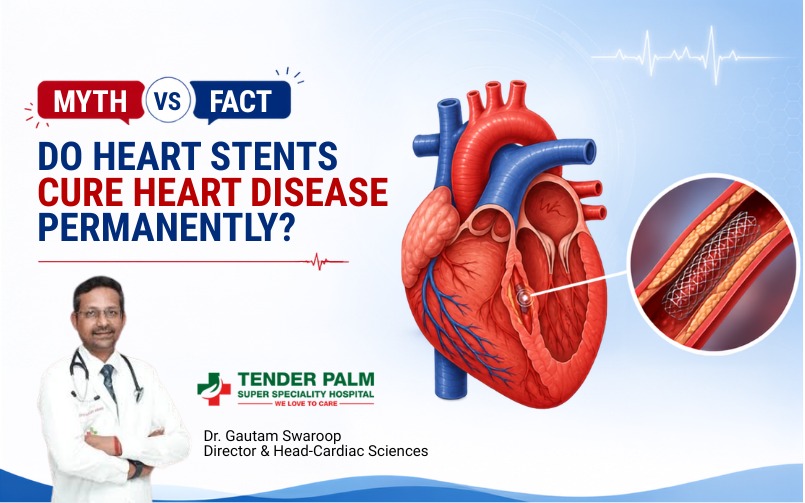
Myth vs Fact: Do Heart Stents Cure Heart Disease Permanently?
Quick Answer
First, a heart stent does not cure heart disease permanently. Specifically, a coronary stent restores vital blood flow safely. Consequently, it relieves severe chest pain and prevents heart attacks. However, it only treats the localized arterial blockage directly. Therefore, it never cures the underlying systemic coronary artery disease. Furthermore, long-term cardiovascular health requires strict dietary changes and daily medications. Ultimately, informed patients make the best decisions for their lifelong health.
Introduction
First, heart stents revolutionized modern cardiovascular medical treatments completely. Specifically, they help millions of people survive dangerous heart attacks worldwide. Consequently, patients feel dramatically better almost immediately after their surgical procedure. Therefore, a dangerous medical myth persists among many recovering patients today. Furthermore, they mistakenly believe a stent cures their heart disease forever.
Next, coronary artery disease develops slowly over many long decades naturally. Specifically, high cholesterol and high blood pressure contribute to this dangerous buildup. Consequently, treating one single blockage does not reverse the overall systemic disease. Therefore, you must combine your successful treatment with healthy lifestyle choices daily. Ultimately, Dr. Gautam Swaroop explains exactly how to protect your heart forever.
Table of Contents
- What Is a Heart Stent?
- Why Are Heart Stents Needed?
- Who May Need a Stent?
- Preparing for a Stent Procedure
- Step-by-Step Stent Procedure
- Benefits of a Heart Stent
- Risks and Possible Complications
- Recovery After Stent Placement
- Life After Getting a Stent
- Stents: Myths vs Medical Facts
- Debunking Common Myths About Heart Stents
- When Should You Consult a Cardiologist?
- Frequently Asked Questions
- Conclusion
What Is a Heart Stent?
First, a heart stent is a tiny expanding metal mesh tube. Specifically, doctors place it inside a blocked coronary artery safely. Consequently, this minimally invasive procedure is called coronary angioplasty clinically. Therefore, the expanded stent keeps the narrowed artery open permanently.
Furthermore, the stent acts like a strong internal metallic scaffold directly. Next, most modern patients receive highly advanced drug-eluting stents during surgery today. Consequently, these special stents release medications to prevent new blockages completely. Ultimately, the stent treats the immediate blockage, not the systemic underlying disease.
Why Are Heart Stents Needed?
First, doctors recommend stents for severely narrowed coronary arteries daily. Specifically, restricted blood flow starves the vital heart muscle of necessary oxygen. Consequently, this causes dangerous chest pain and extreme physical fatigue constantly. Therefore, a heart stent quickly restores this vital blood flow incredibly safely.
Furthermore, prompt stent placement prevents permanent muscle damage during heart attacks. Next, not every single arterial blockage requires a permanent metallic stent. Consequently, some patients manage their disease perfectly through diet and medications. Ultimately, your cardiologist determines the absolute best medical treatment pathway for you.
Who May Need a Stent?
First, patients with significant arterial blockages often need a heart stent. Specifically, persistent chest pain despite daily medications requires swift surgical intervention. Consequently, patients suffering acute heart attacks receive emergency stents immediately. Therefore, coronary angiography identifies these dangerous, high-risk arterial blockages perfectly.
Furthermore, high cholesterol and diabetes increase your overall cardiovascular risks heavily. Next, many patients manage their disease entirely through careful lifestyle changes. Consequently, they avoid surgery by controlling their physical risk factors proactively. Ultimately, your cardiologist recommends the safest, most effective long-term treatment entirely.
Preparing for a Stent Procedure
First, proper medical preparation ensures a highly successful surgical outcome today. Specifically, your cardiologist performs a thorough physical evaluation beforehand very carefully. Consequently, you must complete detailed blood tests and an ECG beforehand. Therefore, doctors review your current daily medications and specific allergies thoroughly.
Furthermore, you must follow strict fasting instructions before the major procedure. Next, understanding the surgical steps reduces your pre-operative anxiety significantly. Consequently, you can ask your doctor any important questions beforehand freely. Ultimately, informed patients actively participate in their personal cardiovascular healthcare safely.
Step-by-Step Stent Procedure
First, this minimally invasive procedure takes one to two hours normally. Specifically, doctors administer local anesthesia to numb your wrist or groin entirely. Consequently, they insert a thin catheter into the blocked artery carefully. Therefore, live X-ray guidance tracks the catheter’s exact internal position safely.
Furthermore, they inflate a tiny balloon to compress the hardened arterial plaque. Next, the stent expands and locks permanently into its final position safely. Consequently, the doctor removes the balloon and leaves the stent inside. Ultimately, blood flow restores immediately, and the doctor removes the catheter entirely.
Benefits of a Heart Stent
First, heart stents provide numerous incredible benefits for struggling patients. Specifically, they restore vital blood flow to the heart muscle rapidly. Consequently, they relieve severe chest pain and improve daily exercise capacity. Therefore, they prevent ongoing muscle damage during a massive heart attack perfectly.
Furthermore, patients experience much faster recovery times than open-heart surgery generally. Next, these massive benefits require strict adherence to a healthy daily lifestyle. Consequently, you must protect your newly opened arteries from future blockages. Ultimately, successful stenting begins your lifelong cardiovascular care management journey completely.
Risks and Possible Complications
First, heart stenting remains an incredibly safe and highly effective procedure. Specifically, advanced medical technology reduces potential surgical risks very significantly today. Consequently, minor bleeding or bruising can occur near the catheter insertion site. Therefore, patients rarely experience new blood clots inside the fresh stent.
Furthermore, modern drug-eluting stents prevent arteries from dangerously re-narrowing again perfectly. Next, you must take your prescribed antiplatelet medications every single day. Consequently, this prevents deadly blood clots from forming inside the metal tube. Ultimately, strict medication adherence prevents almost all severe post-operative complications completely.
Recovery After Stent Placement
First, physical recovery after a heart stent is incredibly rapid generally. Specifically, most patients walk within a few short hours post-surgery entirely. Consequently, they return home safely within one or two days usually. Therefore, you must avoid heavy physical lifting during the initial few weeks.
Furthermore, you must take all prescribed medications without missing any doses ever. Next, cardiac rehabilitation programs improve your long-term physical recovery significantly. Consequently, supervised exercise helps your heart muscle heal much faster safely. Ultimately, you must report any severe chest pain to your doctor immediately.
Life After Getting a Stent
First, receiving a heart stent marks an important medical milestone today. Specifically, you must view this as a lifelong physical health commitment. Consequently, you must never stop your blood-thinning medications without medical permission entirely. Therefore, you must adopt a strict, heart-healthy nutritional diet immediately.
Furthermore, regular physical exercise strengthens your vital heart muscle very safely. Next, you must quit smoking dangerous tobacco products completely today. Consequently, managing your daily stress levels protects your delicate cardiovascular system perfectly. Ultimately, maintaining a healthy body weight prevents future arterial blockages completely.
Stents: Myths vs Medical Facts
| Common Myth | Medical Fact |
|---|---|
| A heart stent permanently cures heart disease. | A stent treats a blocked artery but does not cure systemic coronary artery disease. |
| I can stop taking medicines after getting a stent. | Medicines remain absolutely essential to prevent blood clots and slow disease progression. |
| Lifestyle changes are no longer necessary. | Healthy daily habits remain the most important part of your long-term treatment. |
| I’ll never develop another arterial blockage. | New blockages can develop easily if cardiovascular risk factors remain completely uncontrolled. |
| I should avoid physical exercise forever. | Most patients benefit from regular physical exercise after receiving full medical clearance. |
Debunking Common Myths About Heart Stents
Myth 1: A Heart Stent Permanently Cures Heart Disease
First, this remains the most dangerous cardiovascular misunderstanding today. Specifically, a stent opens one single blocked artery completely. Consequently, systemic coronary artery disease remains a chronic condition requiring lifelong management. Therefore, plaque can still build up in your other healthy blood vessels.
Myth 2: I No Longer Need Medicines
First, daily medicines remain an absolutely essential part of your treatment. Specifically, blood-thinning drugs prevent deadly clots inside the new metallic stent. Consequently, cholesterol-lowering medications slow plaque progression throughout your entire body entirely. Therefore, skipping your vital medications invites a massive, life-threatening heart attack.
Myth 3: Lifestyle Changes Don’t Matter
First, healthy lifestyle choices remain your strongest cardiovascular defense perfectly. Specifically, a highly nutritious diet and daily exercise reduce future medical risks. Consequently, quitting smoking protects your delicate arterial walls from severe chemical damage. Therefore, you must manage your diabetes and blood pressure flawlessly.
Myth 4: Another Blockage Will Never Develop
First, coronary artery disease can continue progressing silently over time. Specifically, uncontrolled risk factors cause new blockages in untreated arteries rapidly. Consequently, you must manage your blood pressure and cholesterol levels strictly. Therefore, the treated artery remains open, but the others remain vulnerable.
Myth 5: Exercise Is Dangerous After a Stent
First, cardiologists highly encourage daily physical exercise after your initial recovery. Specifically, physical activity improves heart function and lowers high blood pressure safely. Consequently, your doctor will prescribe a safe, personalized exercise routine entirely. Therefore, staying active improves your overall mood and long-term cardiovascular wellbeing.
When Should You Consult a Cardiologist?
First, you must contact your doctor if new symptoms suddenly appear. Specifically, watch for severe chest pain or unexplained physical fatigue immediately. Consequently, rapid heartbeats or extreme dizziness require immediate medical evaluation today. Therefore, routine follow-up appointments remain absolutely essential for long-term health. Ultimately, proactive physical monitoring catches dangerous cardiovascular problems incredibly early.
Frequently Asked Questions
- 1. Does a heart stent last forever?
- First, the metallic stent usually remains inside the artery permanently. Specifically, your underlying coronary artery disease still requires lifelong daily management.
- 2. Can another blockage develop?
- First, yes. Specifically, new blockages can develop in other arteries easily. Consequently, this happens if your cardiovascular risk factors remain completely uncontrolled.
- 3. Will I need medicines for life?
- First, yes. Specifically, many patients require long-term medications to manage cholesterol safely. Consequently, these medications prevent massive future cardiovascular events entirely.
- 4. Can I travel after receiving a stent?
- First, yes. Specifically, most patients can travel normally after their initial recovery. Consequently, you must confirm your exact travel safety with your cardiologist first.
- 5. Can I undergo an MRI?
- First, yes. Specifically, many modern coronary stents are entirely MRI compatible today. Consequently, always inform the imaging team that you have an implanted stent.
Conclusion
First, heart stents represent a massive advance in modern cardiology today. Specifically, they save countless lives by restoring vital blood flow immediately. Consequently, they do not provide a permanent medical cure for patients entirely. Therefore, coronary artery disease requires strict, lifelong daily management completely.
Furthermore, successful patients combine their procedure with aggressive, healthy lifestyle changes safely. Next, you must take your prescribed medications without fail every single day. Consequently, this comprehensive medical approach protects your entire cardiovascular system perfectly. Ultimately, a heart stent offers you a brilliant, healthy second chance.
About Dr. Gautam Swaroop
Dr. Gautam Swaroop is an experienced interventional cardiologist committed to evidence-based care. Specifically, he specializes in the complex treatment of coronary artery disease perfectly. Furthermore, he helps individuals achieve better heart health through compassionate patient education. Therefore, schedule your comprehensive cardiovascular evaluation with him today safely.
This article provides educational information only. Specifically, it never replaces professional medical advice, diagnosis, or treatment. Always consult a qualified cardiologist regarding your specific symptoms immediately. Furthermore, seek immediate emergency medical care for severe chest pain.

You must be logged in to post a comment.