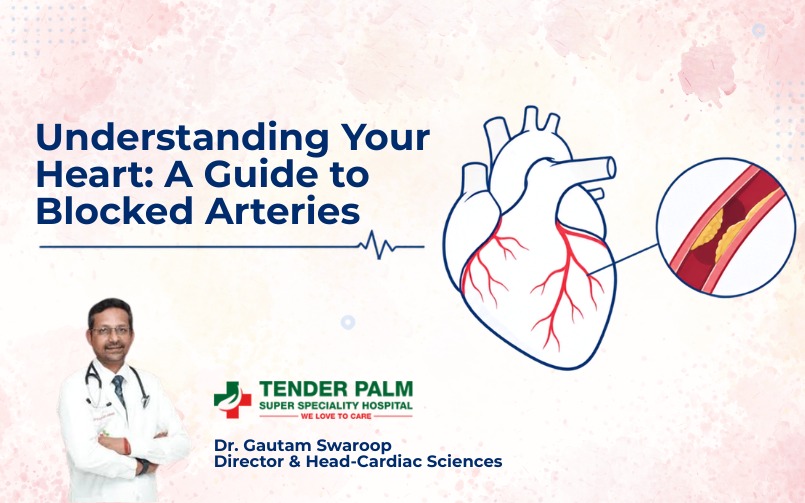
Understanding Your Heart: A Guide to Blocked Arteries
Quick Answer
Coronary artery disease (CAD) occurs when heart plaque buildup narrows or blocks the major blood vessels supplying the heart muscle. Consequently, some people notice no issues at all, while others experience chest pain, breathlessness, fatigue, or a heart attack.
However, a diagnosis of this condition does not automatically mean your life is over. Furthermore, it does not mean a heart attack is inevitable. Ultimately, your specific CAD treatment and follow-up depend on the severity of the blockages, your heart function, your symptoms, and other health conditions.
Therefore, if a doctor has just diagnosed you, the most important question is not simply, “How serious is this?” Instead, you should ask: “What is the extent of the disease, what are my risk factors, and what should I do next to protect my heart?”
Introduction
When I tell a patient that they have coronary artery disease, one of the first questions I often hear is, “Doctor, what does this mean for my life? Am I going to have a heart attack?”
That reaction makes perfect sense. Naturally, anything involving the blood supply to the heart can immediately create fear. But a diagnosis simply identifies a problem; it does not dictate your entire future.
The Mechanics of a Healthy Heart
Think of your heart as a pump that works continuously, every minute of every day. To do this, the pump needs its own reliable fuel supply. The coronary arteries deliver this crucial fuel. Over time, heart plaque buildup can narrow these pipes. As a result, doctors call this condition coronary artery disease. Importantly, this condition develops gradually, meaning you have time to manage it effectively.
Therefore, the first step is not panic. Instead, you must understand exactly what has changed in your blood vessels and why.
Table of Contents
- What Is Coronary Artery Disease?
- Why Does Coronary Artery Disease Happen?
- What Are the Main Types of Coronary Artery Disease?
- Does Coronary Artery Disease Mean a Heart Attack is Inevitable?
- How Do Doctors Diagnose Coronary Artery Disease?
- How Do Cardiologists Treat Coronary Artery Disease?
- Is Coronary Artery Disease Manageable?
- Dr. Swaroop’s Practical Blueprint for Living Well
- Why Does a Coronary Angiogram Matter?
- Myths vs. Facts About Coronary Artery Disease
- What Can You Expect During Long-Term Follow-Up?
- What Happens After a Coronary Artery Disease Diagnosis?
- When Should You Seek Emergency Help?
- Frequently Asked Questions
What Is Coronary Artery Disease?
We can break the condition down simply:
- Coronary = relating to the heart’s own blood vessels
- Artery = a tube that carries oxygen-rich blood
- Disease = a structural abnormality or narrowing
In simple terms, CAD means that the arteries supplying blood to your heart have developed a narrowing. Usually, heart plaque buildup causes this restriction.
Depending on the severity, blocked arteries behave in several different ways:
- Mild blockages cause no immediate problems.
- Moderate blockages restrict blood flow during physical exertion.
- Severe blockages significantly reduce oxygen supply to the heart muscle.
- A blood clot suddenly completely stops flow, leading to a heart attack.
Consequently, these changes affect how effectively the heart gets the oxygen it needs to pump. That is why two people can share the same diagnosis but experience very different blocked artery symptoms, treatments, and long-term outlooks.
Why Does Coronary Artery Disease Happen?
There is no single cause of CAD. Instead, it usually develops gradually. A combination of lifestyle choices and genetic factors damages the inner lining of the arteries over many years.
Primary Drivers of Arterial Damage
- High Cholesterol and Diet: High levels of bad cholesterol accumulate in the artery walls. Over time, they slowly form stiff plaques.
- High Blood Pressure: Long-standing uncontrolled hypertension puts extra force on the artery walls. Consequently, this pressure makes them more susceptible to plaque accumulation.
- Diabetes: High blood sugar levels actively damage blood vessels. Therefore, diabetes significantly increases the risk of artery hardening.
- Smoking: Tobacco smoke damages the lining of the arteries. Furthermore, it promotes rapid plaque and blood clot formation.
- Genetic Factors: A strong family history of early heart disease increases your risk. As a result, proactive screening becomes vital.
Finding and controlling these underlying risk factors matters immensely because they directly influence your CAD treatment plan and long-term health. Moreover, when inadequate blood supply damages part of the heart muscle, the remaining muscle has to work much harder. Ultimately, this strain can weaken the heart overall.
What Are the Main Types of Coronary Artery Disease?
CAD generally presents in a few primary ways depending on how the blockages restrict your blood flow.
Stable Ischemic Heart Disease (Stable Angina)
In this form, the arteries narrow gradually and predictably. Patients usually notice chest tightness, pain, or breathlessness only during physical exertion or emotional stress. During these moments, the heart demands more oxygen. Fortunately, the blocked artery symptoms typically go away with rest.
Acute Coronary Syndrome (Unstable Angina and Heart Attacks)
This critical event occurs when a plaque suddenly ruptures. Instantly, a blood clot forms inside the artery. This clot can drastically or completely block blood flow.
Patients may notice these severe warning signs:
- sudden, severe chest pain even at rest
- pain radiating to the left arm, jaw, or back
- unusual sweating and dizziness
- sudden, unexplained breathlessness
You must treat this as a medical emergency requiring immediate intervention.
Does Coronary Artery Disease Mean a Heart Attack is Inevitable?
No, not automatically.
Coronary artery disease represents a structural narrowing of the arteries. Conversely, a heart attack is an acute event where something completely cuts off blood flow. In reality, many people with CAD live long, active lives without ever experiencing a heart attack.
Ultimately, your risk depends on the severity of the blocked arteries, plaque stability, how aggressively you manage your risk factors, and whether you adhere to your medical treatments. Therefore, hearing the diagnosis does not by itself dictate your prognosis.
How Do Doctors Diagnose Coronary Artery Disease?
A cardiologist never diagnoses the full extent of CAD from one single test. Instead, they use a comprehensive approach.
- Medical History: Your doctor will ask about symptoms, previous heart problems, blood pressure, diabetes, medications, and family history.
- ECG: An electrocardiogram records the heart’s electrical activity. Consequently, it can reveal signs of previous heart damage or inadequate blood flow.
- 2D Echocardiogram: I often explain this as a report card for the heart. It shows exactly how the heart muscle looks and functions.
- Stress Test (TMT): This test monitors your heart while you walk on a treadmill. It shows doctors how your heart responds to physical demand.
- Coronary Angiogram: This imaging technique remains the gold standard for directly visualizing the arteries. It allows doctors to pinpoint exactly where the blockages live.
Importantly, not every patient needs every test. The doctor will match the investigation to your specific clinical picture.
How Do Cardiologists Treat Coronary Artery Disease?
No magic medicine dissolves plaque instantly. Thus, your CAD treatment depends entirely on your symptoms, the location of the blockages, your age, overall health, and heart function.
Depending on your unique situation, doctors may recommend:
- Medicines: Doctors prescribe drugs to lower cholesterol, reduce blood pressure, slow the heart rate, and prevent blood clots.
- Lifestyle Changes: You will need to implement diet modification, stop smoking, and begin supervised exercise routines.
- Procedures: For severe cases, cardiologists perform an Angioplasty (stent placement) to physically open the artery. Alternatively, surgeons perform Coronary Artery Bypass Grafting (CABG) surgery to route blood around the blockages.
Crucially, doctors must individualize your treatment. You should never start, stop, or change cardiac medicines without speaking to your doctor first.
Is Coronary Artery Disease Manageable?
In many cases, yes. However, manageable does not mean cured.
While we cannot completely erase the plaque that has already hardened, modern cardiology provides several excellent tools to control symptoms. Furthermore, these treatments stabilize the plaques to prevent heart attacks and protect heart function. Ultimately, treatment goals include slowing progression, managing contributing conditions, and helping patients maintain a normal life.
Dr. Swaroop’s Practical Blueprint for Living Well
- Watch Your Diet and Salt Intake: Managing cholesterol is key. Moreover, blood pressure control remains equally critical for CAD patients. In an Indian diet, sodium hides in foods such as pickles, papad, and packaged snacks. Your cardiologist will tell you what dietary modifications suit your condition.
- Stay Active—But Exercise Smart: A diagnosis does not mean that you should stop moving. Actually, appropriate physical activity helps build collateral blood flow. You should always discuss the right intensity with your cardiologist before starting strenuous training.
- Take Medicines Consistently: If your doctor prescribes medication, take it exactly as directed. Stopping or changing treatment because you feel better carries extreme risks. Statins and blood thinners only protect you if you actually take them.
- Pay Attention to Changes: Notice whether you develop new or worsening chest discomfort, reduced exercise tolerance, or breathlessness. You must report any change from your usual baseline to your cardiologist.
Why Does a Coronary Angiogram Matter?
If your doctor suspects significant blockages, an angiogram serves as the ultimate roadmap of your heart’s plumbing. It allows the cardiologist to see exactly which arteries have narrowed. In addition, it reveals how tight the strictures are, and whether a stent or bypass surgery can safely restore blood flow.
Myths vs. Facts About Coronary Artery Disease
| Myth | Fact |
|---|---|
| CAD always means you will have a heart attack. | Proper management and medication heavily reduce this risk. |
| Stents cure the disease entirely. | Stents fix a specific blockage. However, CAD remains a systemic condition requiring lifelong management. |
| Only older men face these risks. | Women and younger adults also face high susceptibility, especially with genetic risks or a smoking history. |
| Doctors can do nothing after diagnosis. | Cardiologists successfully treat and manage many forms of heart disease. |
| Exercise remains strictly forbidden. | Safe, guided exercise actually forms a cornerstone of recovery. |
| Heart disease ends your meaningful life. | With individualized treatment, patients continue productive and active daily lives. |
What Can You Expect During Long-Term Follow-Up?
Follow-up goes far beyond simply asking whether the heart feels worse. Instead, your cardiologist will periodically review:
- your daily symptoms
- your blood pressure readings
- your medication adherence
- your ECG findings
- your cholesterol profiles and blood sugar levels
- your current exercise tolerance
The main purpose is to determine whether your CAD treatment works effectively. Furthermore, the doctor will check if your medications need adjustment or if a new risk requires immediate attention.
What Happens After a Coronary Artery Disease Diagnosis?
The next steps usually become much easier to understand when you break them down logically.
- Step 1: Understand your diagnosis. Ask the doctor exactly which arteries have blockages.
- Step 2: Find the likely cause. Ask how your blood pressure, cholesterol, and blood sugar contribute to the disease.
- Step 3: Review your treatment plan. Make sure you understand what each medicine does.
- Step 4: Clarify exercise and lifestyle advice. Ask what physical limits you currently have.
- Step 5: Know which blocked artery symptoms require urgent attention.
- Step 6: Keep all your follow-up appointments.
Questions to Ask Your Cardiologist
- What is the exact severity of my blockages?
- Do I need an angiogram or a stent?
- What are my target cholesterol and blood pressure numbers?
- Can I exercise normally right now?
- Which specific symptoms should make me contact you urgently?
When Should You Seek Emergency Help?
Do not ignore significant or rapidly changing symptoms just because a previous test looked reassuring. Instead, seek prompt medical evaluation if you develop:
- severe chest pain
- severe or rapidly worsening breathlessness
- pain radiating to your jaw, neck, or left arm
- fainting spells
- sustained rapid or irregular heartbeat with dizziness
- sudden cold sweats
- physical collapse
These specific signs require appropriate medical assessment rather than quiet observation at home.
Conclusion
So, you have coronary artery disease. What happens next?
Now, you find out exactly how extensive the narrowing is. Next, you understand your risk factors. Finally, you work with your cardiologist on an individualized treatment and follow-up plan.
You may need medicines. Similarly, you may need lifestyle changes. Occasionally, patients need regular imaging or procedures to restore blood flow. Ultimately, what matters is that the diagnosis becomes a reason for precise care—not a reason to assume the worst.
The main goal extends beyond simply treating a test result. In reality, it involves understanding your heart well enough to make sensible decisions about treatment, activity, monitoring, and everyday life.
Navigating a Heart Condition With the Right Guidance
Navigating a heart condition requires an expert you can trust. Therefore, if a doctor has diagnosed you with blocked arteries, chest pain, or unexplained breathlessness, you should take action. Schedule a consultation with Dr. Gautam Swaroop today for a personalized evaluation and comprehensive care plan.
Frequently Asked Questions
- 1. Can doctors cure this disease completely?
- Medication alone cannot entirely erase heart plaque buildup. Therefore, we do not consider it “cured” in a traditional sense. However, cardiologists can highly successfully manage, stabilize, and treat the condition so that it does not progress into a heart attack.
- 2. Can I live a normal life with CAD?
- Absolutely. With appropriate treatment and consistent follow-up, many people successfully continue working, staying active, and participating in everyday life.
- 3. Do I definitely need a stent or bypass surgery?
- Not necessarily. Doctors frequently treat mild to moderate blockages successfully with medications and lifestyle changes alone. Meanwhile, surgeons reserve procedures for severe blockages that cause debilitating symptoms or put you at high risk for a heart attack.
- 4. Will taking a statin clear my arteries?
- Statins significantly lower your cholesterol. More importantly, they reduce internal inflammation to “stabilize” the plaque. Consequently, the plaque does not rupture and cause a heart attack. While they may slightly shrink plaque over many years, their main job provides protection, not acting as a drain cleaner.
- 5. Can I exercise if I have this condition?
- Often, some level of physical activity remains entirely possible. However, the doctor must individualize the recommendation. Guided cardiac rehabilitation offers an excellent way to safely rebuild your heart’s endurance.
- 6. Do I need to completely stop eating fat and salt?
- Not necessarily. Your doctor should base dietary recommendations on your specific condition. Rather than eliminating salt or healthy fats blindly, discuss your appropriate intake with your cardiologist. Together, you can build a sustainable, heart-healthy diet.
About Dr. Gautam Swaroop
Dr. Gautam Swaroop is a Cardiologist who focuses on helping patients understand heart symptoms, diagnostic tests, and treatment decisions in a clear and practical way. His approach emphasizes timely evaluation, evidence-based care, and patient education.
This article provides general educational information only. Therefore, it should never replace personalized medical advice. Heart conditions feature different severities and forms. Consequently, a qualified cardiologist must individualize your diagnosis and CAD treatment. If you experience severe chest pain, severe breathlessness, fainting, collapse, or rapidly worsening symptoms, seek urgent medical attention immediately.

You must be logged in to post a comment.