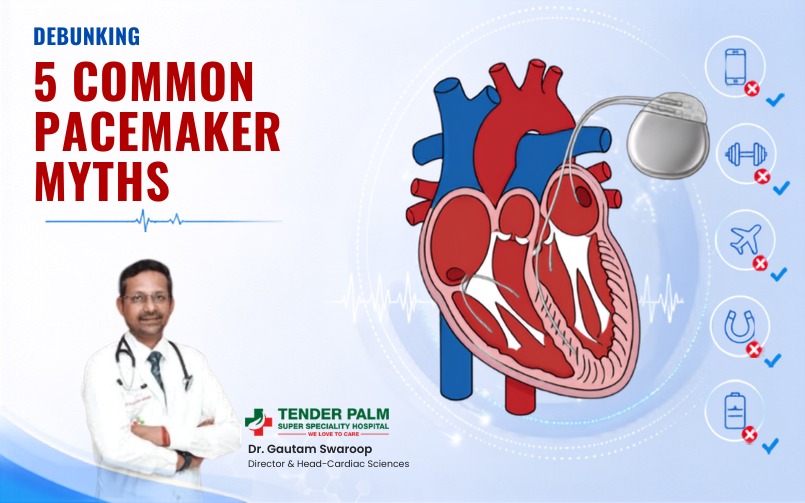
Debunking 5 Common Pacemaker Myths: A Complete Guide to Understanding Pacemakers and the Truth Behind Them
Quick Answer
A pacemaker is a small implantable device that helps regulate slow or abnormal heart rhythms. It continuously monitors the heart’s electrical activity and delivers tiny electrical impulses only when needed to maintain a healthy heartbeat. Modern pacemakers are reliable, safe, and designed to help people with conditions such as symptomatic bradycardia and heart block lead active, independent lives. Despite their proven benefits, several myths continue to create unnecessary fear. Understanding the facts can help patients make informed decisions about their heart health.
Introduction
Hearing that you may need a pacemaker can feel overwhelming. Many people associate pacemakers with severe heart disease or believe that receiving one means giving up an active lifestyle. Unfortunately, these misconceptions often come from outdated information or myths shared by friends, family members, or unreliable online sources.
Modern pacemakers are sophisticated devices that support the heart’s natural electrical system rather than replacing it. They are recommended only for specific heart rhythm disorders after careful evaluation by a cardiologist. Most patients recover well after implantation and return to work, travel, exercise, and their daily routines.
This guide explains what a pacemaker is, why it may be needed, who can benefit from it, how the implantation procedure works, and the truth behind five common myths that often discourage people from seeking timely treatment.
Table of Contents
- What Is a Pacemaker?
- Why Are Pacemakers Needed?
- Who May Need a Pacemaker?
- Preparing for Pacemaker Implantation
- Step-by-Step Pacemaker Implantation
- Benefits of a Pacemaker
- Risks and Possible Complications
- Recovery After Pacemaker Implantation
- Life After Getting a Pacemaker
- Pacemaker Myths vs Medical Facts
- Debunking 5 Common Pacemaker Myths
- When Should You Consult a Cardiologist?
- Frequently Asked Questions
- Key Takeaways
- Conclusion
What Is a Pacemaker?
A pacemaker is a small electronic device implanted under the skin, usually below the collarbone, to help regulate the heartbeat when the heart’s natural electrical system is not functioning properly. Instead of making the heart beat continuously, it monitors the heart’s rhythm and delivers gentle electrical impulses only when the heart rate becomes too slow or irregular.
A pacemaker consists of two main parts:
- Pulse Generator: Contains the battery and electronic circuitry that monitors the heart rhythm.
- Leads: Thin insulated wires that carry electrical impulses from the generator to the heart.
Depending on the patient’s condition, a pacemaker may have one, two, or three leads. The type chosen depends on the specific rhythm disorder and the heart’s overall function. Modern pacemakers are small, highly reliable, and designed to work silently in the background, allowing patients to continue their normal activities without constantly being aware of the device.
Why Are Pacemakers Needed?
Every heartbeat begins with an electrical signal generated by the heart’s natural pacemaker, known as the sinoatrial (SA) node. This signal travels through the heart, coordinating the contraction of its chambers so blood is pumped efficiently throughout the body.
When this electrical system becomes damaged or disrupted, the heart may beat too slowly, skip beats, or fail to conduct electrical signals properly. As a result, the body may not receive enough oxygen-rich blood, leading to symptoms such as dizziness, fatigue, fainting, shortness of breath, or reduced exercise tolerance.
Common conditions that may require a pacemaker include:
- Symptomatic Bradycardia: A slow heart rate that causes symptoms like dizziness, weakness, or fainting.
- Heart Block: A condition in which electrical signals are delayed or blocked between the upper and lower chambers of the heart.
- Sick Sinus Syndrome: A disorder where the heart’s natural pacemaker fails to generate electrical impulses consistently.
- Certain Congenital or Post-Surgical Rhythm Disorders: Some patients develop rhythm abnormalities due to congenital heart disease or following heart surgery.
Not everyone with a slow heartbeat requires a pacemaker. Your cardiologist considers symptoms, ECG findings, Holter monitoring, underlying heart disease, and your overall health before recommending implantation.
Who May Need a Pacemaker?
A pacemaker is recommended only when an abnormal heart rhythm is causing symptoms or increasing the risk of complications. Patients who may benefit include those with:
- Symptomatic bradycardia
- Second- or third-degree heart block
- Sick sinus syndrome
- Certain rhythm disorders after heart surgery
- Selected congenital rhythm disorders
- Some patients with heart failure requiring Cardiac Resynchronization Therapy (CRT)
Before implantation, your cardiologist may recommend tests such as an ECG, Holter monitoring, echocardiography, blood tests, or electrophysiological studies to confirm the diagnosis and determine whether a pacemaker is the most appropriate treatment. Because some slow heart rhythms are temporary or harmless, every patient requires an individualized assessment rather than a one-size-fits-all approach.
Preparing for Pacemaker Implantation
Once your cardiologist determines that a pacemaker is the right treatment, proper preparation helps ensure a safe and successful procedure. Before implantation, your doctor will review your medical history, medications, allergies, previous surgeries, and the results of your heart tests. Blood tests, an electrocardiogram (ECG), and an echocardiogram may be performed to confirm the diagnosis and plan the procedure.
If you are taking blood thinners, diabetes medications, or certain heart rhythm medicines, your cardiologist will advise whether any temporary adjustments are necessary. Do not stop any medication without medical guidance.
Most patients are asked not to eat or drink for several hours before the procedure. The skin below the collarbone, where the pacemaker will be implanted, is cleaned carefully to reduce the risk of infection. Your cardiologist will also explain the benefits, possible risks, and recovery process so you know exactly what to expect. Asking questions beforehand can help reduce anxiety and prepare you for a smooth experience.
Step-by-Step Pacemaker Implantation
Pacemaker implantation is a minimally invasive procedure performed in a cardiac catheterization laboratory or electrophysiology suite. It usually takes one to two hours and is performed under local anaesthesia with mild sedation.
1. Admission and Preparation
On the day of the procedure, an intravenous (IV) line is inserted, and your heart rhythm, blood pressure, and oxygen levels are continuously monitored.
2. Local Anaesthesia
The area below the collarbone is numbed using local anaesthesia so that you remain comfortable throughout the procedure while staying awake.
3. Lead Placement
Through a small incision, one or more pacing leads are guided through a vein into the heart using X-ray (fluoroscopy). Their position is carefully checked to ensure accurate pacing.
4. Pulse Generator Placement
The leads are connected to the pacemaker generator, which is placed in a small pocket beneath the skin below the collarbone.
5. Device Testing
Before closing the incision, the pacemaker is tested to ensure it correctly senses the heart’s rhythm and delivers electrical impulses whenever required.
6. Recovery and Discharge
After implantation, the incision is closed and covered with a sterile dressing. Patients are observed for several hours or overnight, and the pacemaker is checked before discharge.
Benefits of a Pacemaker
For patients with slow or abnormal heart rhythms, a pacemaker offers several important benefits:
- Restores a safe and steady heart rate.
- Relieves symptoms such as dizziness, fatigue, fainting, and shortness of breath.
- Improves confidence and quality of life.
- Helps reduce complications related to severe bradycardia.
- Supports better heart function in selected patients with heart failure using Cardiac Resynchronization Therapy (CRT).
- Allows most patients to return to work, travel, exercise, and daily activities after recovery.
- Modern pacemaker batteries generally last 8–15 years, depending on the device and pacing requirements.
Risks and Possible Complications
Pacemaker implantation is a well-established and safe procedure. However, like any medical treatment, it carries a small risk of complications. These may include:
- Bleeding or bruising around the implant site
- Infection
- Blood vessel injury
- Rare lung injury (pneumothorax)
- Lead displacement
- Allergic reactions to medications or anaesthesia
- Rare device or lead malfunction
Fortunately, serious complications are uncommon when the procedure is performed by experienced cardiologists. Regular follow-up and proper wound care further reduce these risks. In most cases, the benefits of treating a significant rhythm disorder outweigh the risks of implantation.
Recovery After Pacemaker Implantation
Recovery is generally quick, and most patients return to normal daily activities within a few weeks. Mild pain, bruising, or swelling around the incision site is common during the first few days.
After going home, keep the wound clean and dry, and avoid lifting heavy objects or raising the arm on the side of the pacemaker above shoulder level for four to six weeks. This helps the pacing leads remain securely in place.
Contact your doctor immediately if you notice:
- Fever
- Increasing redness or swelling
- Fluid leaking from the wound
- Severe pain
- Persistent dizziness or fainting
Regular follow-up appointments are essential. During these visits, your cardiologist checks battery life, lead function, heart rhythm, and pacemaker settings. Many modern devices also support remote monitoring, reducing the need for frequent hospital visits. Most patients experience significant improvement in symptoms and enjoy an excellent long-term outlook after implantation.
Life After Getting a Pacemaker
Receiving a pacemaker does not mean giving up an active lifestyle. After recovery, most patients return to work, travel, exercise, and everyday activities with minimal restrictions.
Moderate activities such as walking, cycling, and swimming are generally encouraged, while contact sports should be discussed with your cardiologist.
Modern pacemakers are designed to work safely around most household electronics, including smartphones, televisions, laptops, microwave ovens, and Wi-Fi devices. As a precaution, avoid carrying a mobile phone directly over the pacemaker site and keep it at least 15 cm (6 inches) away.
Patients can usually travel by air without difficulty. Carry your pacemaker identification card and inform airport security personnel before screening.
Many people feel anxious immediately after implantation, but confidence usually grows with time. Understanding your device, following medical advice, and attending routine follow-up appointments help ensure a healthy and active life with a pacemaker.
Pacemaker Myths vs Medical Facts
| Common Myth | Medical Fact |
|---|---|
| A pacemaker keeps the heart beating all the time. | A pacemaker only delivers electrical impulses when the heart needs support. |
| You cannot exercise after getting a pacemaker. | Most patients return to regular physical activity after recovery with their cardiologist’s advice. |
| Mobile phones always interfere with pacemakers. | Modern pacemakers are well shielded, and everyday electronic devices are generally safe to use. |
| A pacemaker means your heart is failing. | Pacemakers treat electrical rhythm disorders, not necessarily weak heart muscles. |
| A pacemaker lasts forever without maintenance. | Regular follow-up is essential, and the battery is replaced when it reaches the end of its lifespan. |
Debunking 5 Common Pacemaker Myths
Myth 1: A Pacemaker Means Your Heart Is About to Stop
This is one of the most common misconceptions among patients. In reality, a pacemaker does not mean your heart is failing or about to stop. It is recommended when the heart’s electrical system cannot maintain a safe rhythm on its own. Many people who receive a pacemaker have a healthy heart muscle but experience problems with the electrical signals that control the heartbeat. By restoring a normal rhythm, the device helps relieve symptoms such as dizziness, fainting, fatigue, and exercise intolerance while reducing the risk of complications.
Myth 2: You Cannot Live a Normal Life with a Pacemaker
Many patients worry that they will no longer be able to work, travel, or enjoy their favourite activities after receiving a pacemaker. The truth is that most people return to their normal lifestyle once they have recovered. They can work, drive (when medically cleared), travel, and participate in moderate physical activities. Regular exercise is often encouraged because staying active supports overall cardiovascular health. Routine follow-up visits and following your cardiologist’s advice are usually all that is needed to continue living an active and independent life.
Myth 3: Electronic Devices Will Damage My Pacemaker
This myth comes from older generations of pacemakers that were more sensitive to electromagnetic interference. Today’s pacemakers are designed with advanced technology that protects them from most everyday electronic devices.
You can safely use:
- Smartphones
- Laptops
- Microwave ovens
- Wi-Fi devices
- Bluetooth accessories
- Televisions
As a precaution, avoid carrying your phone directly over the pacemaker site and keep it at least 15 cm (6 inches) away. If you work around powerful industrial equipment or magnets, discuss any necessary precautions with your cardiologist.
Myth 4: Pacemaker Implantation Is a Major Heart Surgery
Many patients delay treatment because they believe the procedure involves opening the chest or stopping the heart.
In fact, pacemaker implantation is a minimally invasive procedure. Through a small incision below the collarbone, the leads are guided into the heart using X-ray imaging, and the pacemaker is placed beneath the skin. The heart continues beating throughout the procedure, and most patients go home the same day or after one night in the hospital. Recovery is generally quick, allowing most individuals to return to their normal routine within a few weeks.
Myth 5: A Pacemaker Never Needs to Be Checked
Some people believe that once a pacemaker is implanted, it requires no further attention.
In reality, regular follow-up is essential. During these appointments, your cardiologist checks the battery life, lead function, heart rhythm, and device settings. Modern pacemaker batteries usually last 8 to 15 years, after which the pulse generator can typically be replaced through a relatively simple procedure. Routine monitoring ensures that the device continues to work effectively and supports your heart’s changing needs over time.
When Should You Consult a Cardiologist?
You should seek medical evaluation if you experience symptoms that could indicate a heart rhythm disorder, including:
- Frequent dizziness or lightheadedness
- Fainting or near-fainting episodes
- Persistent fatigue
- Shortness of breath during routine activities
- Slow or irregular heartbeat
- Palpitations associated with dizziness
- Unexplained weakness or reduced exercise tolerance
Early diagnosis allows heart rhythm disorders to be treated before they lead to more serious complications. If a pacemaker is recommended, timely treatment can significantly improve your quality of life.
Frequently Asked Questions
- 1. Is pacemaker implantation painful?
- The procedure is usually performed under local anaesthesia with mild sedation. Most patients experience only mild discomfort that improves within a few days.
- 2. How long does a pacemaker battery last?
- Most modern pacemaker batteries last between 8 and 15 years, depending on the device and how often pacing is required.
- 3. Can I exercise after getting a pacemaker?
- Yes. After recovery, most patients can safely resume walking, cycling, swimming, and other moderate exercises based on their cardiologist’s recommendations.
- 4. Can I travel with a pacemaker?
- Yes. Patients can travel safely by road, rail, or air. Carry your pacemaker identification card and inform airport security personnel if needed.
- 5. Can I use a mobile phone?
- Yes. Modern smartphones are generally safe. Keep your phone at least 15 cm away from the pacemaker and avoid storing it in a shirt pocket directly over the device.
- 6. Will I need regular follow-up?
- Yes. Routine check-ups help monitor battery life, lead performance, and overall device function to ensure your pacemaker continues working properly.
Key Takeaways
- A pacemaker supports the heart’s natural electrical system when the heartbeat becomes too slow or irregular.
- Modern pacemakers only work when needed and do not continuously stimulate the heart.
- Most patients can return to normal work, travel, and physical activity after recovery.
- Everyday electronic devices are generally safe with modern pacemakers when simple precautions are followed.
- Regular follow-up appointments are important for monitoring battery life and device performance.
- Timely evaluation by an experienced cardiologist helps ensure the most appropriate treatment for heart rhythm disorders.
Conclusion
Pacemakers have transformed the treatment of slow and abnormal heart rhythms, helping millions of people lead healthier and more active lives. Although misconceptions still exist, modern pacemakers are safe, reliable, and designed to support the heart only when necessary.
If you have been advised to consider a pacemaker, remember that the recommendation is based on a careful assessment of your heart rhythm and overall health. It does not mean your heart is failing or that you must give up an active lifestyle. Instead, it is an effective treatment that can relieve symptoms, improve quality of life, and reduce the risk of complications.
If you experience persistent dizziness, fainting, unexplained fatigue, or other symptoms of an abnormal heart rhythm, consult an experienced cardiologist. Early diagnosis and timely treatment can make a significant difference to your long-term heart health.
About Dr. Gautam Swaroop
Dr. Gautam Swaroop is an experienced Interventional Cardiologist specializing in coronary interventions, structural heart disease, cardiac rhythm disorders, and minimally invasive cardiac procedures. He is committed to providing evidence-based, patient-focused care and helping individuals make informed decisions about their heart health.
This article is intended for educational purposes only and should not be considered a substitute for professional medical advice, diagnosis, or treatment. Always consult a qualified cardiologist regarding symptoms, medical concerns, or treatment decisions. Seek immediate emergency medical care if you experience severe chest pain, sudden shortness of breath, loss of consciousness, or any other symptoms of a medical emergency.

You must be logged in to post a comment.