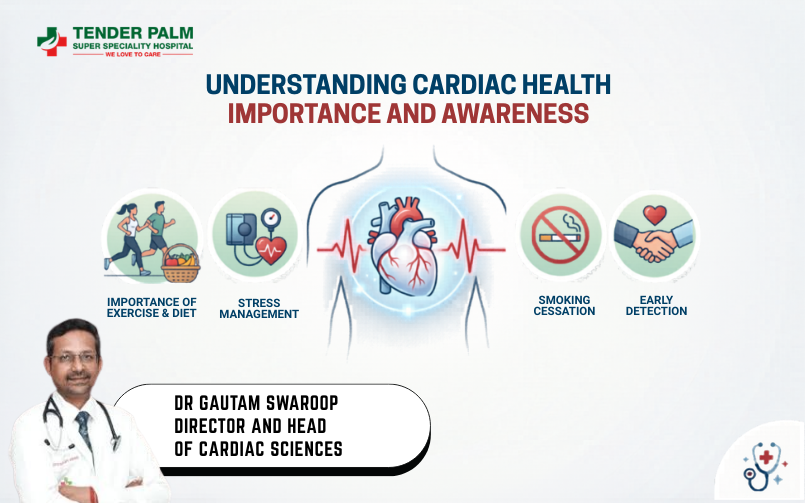
Understanding Cardiac Health: Importance and Awareness
The human heart beats over 100,000 times daily to power your body, making regular guidance from the best heart specialist in lucknow is essential for long-term health. Because cardiovascular diseases remain a leading global health challenge, proactive cardiac awareness is your most powerful tool (WHO, 2023). While lifestyle choices form the foundation of vascular health, recognizing subtle bodily changes early and consulting an expert can guide timely medical care. Building awareness around cardiac performance allows individuals to take a proactive rather than reactive stance toward their health.
According to Dr. Gautam Swaroop, recognized by many as the best heart specialist in Lucknow, persistent changes in your physical stamina or unusual fatigue should never be ignored if they affect daily life or continue without a clear reason. Recognizing early warning signs is key to preventing long-term clinical complications.
Why Cardiac Awareness Matters
Cardiac health awareness is the first step toward prevention. Many heart-related issues are “silent,” meaning they develop without obvious symptoms until a major event occurs. By understanding the risk factors and the mechanics of how your heart functions, you can take proactive steps to protect yourself.
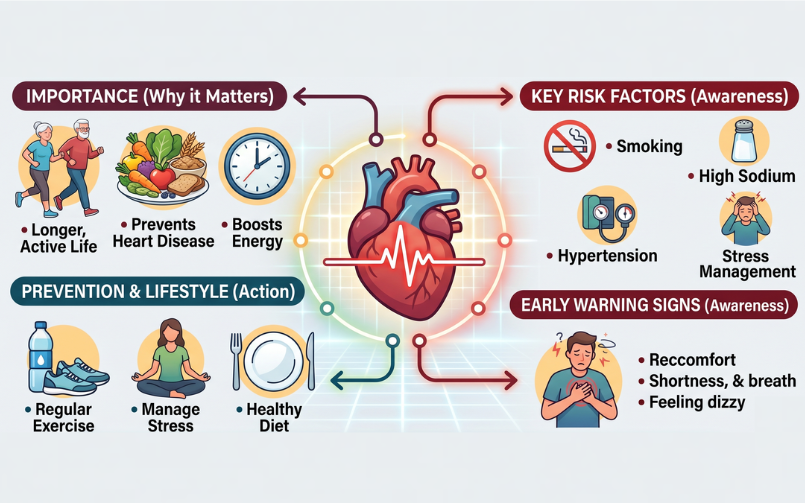
Awareness helps you recognize the subtle signs that something might be wrong—such as unusual fatigue, shortness of breath, or persistent chest discomfort—allowing for early intervention.
The Silent Nature of Cardiac Risks
Many heart conditions develop progressively without obvious warning signs. High blood pressure, arterial plaque buildup, and silent coronary issues rarely cause distinct pain or intense discomfort early on.
True awareness means moving beyond waiting for a crisis. It involves recognizing subtle physiological shifts before a crisis occurs, such as:
- Unexplained Chronic Fatigue: Feeling deeply tired despite getting adequate rest.
- Mild Breathlessness: Shortness of breath during routine, light tasks that you previously handled with ease
- Vague Chest Discomfort: A subtle sensation of chest heaviness, mild pressure, or fluttering that disappears and recurs
Pillars of Long-Term Heart Health
Protecting your heart relies on simple, consistent daily choices:
- Nutrient-Dense Fueling: Prioritize whole foods, increase soluble fiber, and reduce hidden sodium to naturally support optimal blood pressure.
- Functional Movement: Aim for at least 150 minutes of moderate-intensity aerobic exercise per week to strengthen the heart muscle.
- Stress Regulation: Practice deliberate stress-reduction techniques—such as deep breathing or dedicated downtime—to prevent chronic stress hormones from straining your arterial walls.
When to Seek Advanced Cardiac Evaluation
While day-to-day healthy habits are incredibly powerful, they work best when supported by precision clinical screening. Consulting the best heart specialist in Lucknow for a comprehensive evaluation is highly recommended if you present any of the following risk parameters or conditions:
- Family Medical History: A strong lineage of hypertension, diabetes, high cholesterol, or early heart attacks.
- Pre-Existing Metabolic Conditions: Managing diabetes or long-standing high blood pressure, which accelerates damage to blood vessels.
- Progressive Performance Decline: If your physical endurance or recovery after basic exertion has dropped noticeably over the last few weeks.
Advanced diagnostic screenings—including baseline Electrocardiograms (ECG), specialized Echocardiography, and vascular screening—can identify structural heart flaws or vascular abnormalities years before they manifest as sudden medical emergencies.
Partnering with the Best Heart Specialist in Lucknow
Lifestyle choices are highly effective, but they work best when paired with professional medical guidance. If you notice persistent warning signs, consulting an expert ensures you receive individualized care tailored to your exact cardiac profile. Modern interventional cardiology offers highly advanced, micro-invasive treatments that allow patients to manage or completely treat complex structural heart conditions safely.
For clinical screenings and a preventive cardiac evaluation by the best heart specialist in Lucknow, visit Dr. Gautam Swaroop’s website.
Conclusion
The relationship between everyday awareness and cardiac health is incredibly profound yet frequently overlooked. While isolated symptoms are often benign, sudden, progressive, or unexplained physical shifts are your body’s way of asking for attention. Understanding how early warning signs connect to heart performance empowers you to take decisive, proactive steps toward better well-being. With regular monitoring, intentional lifestyle choices, and timely medical guidance, you can protect your heart and enjoy a healthier, more vibrant life.
References
American Heart Association. (2025). Understanding heart disease risk factors.
https://www.heart.org
World Health Organization. (2023). Cardiovascular diseases overview.
https://www.who.int/news-room/fact-sheets/detail/cardiovascular-diseases
Centers for Disease Control and Prevention. (2024). Heart disease prevention and awareness.
https://www.cdc.gov/heartdisease
PubMed. (2022). Global perspectives on preventive cardiology.
https://pubmed.ncbi.nlm.nih.gov
(In-text citations used: AHA, 2025; WHO, 2023)
Author Bio
Dr. Gautam Swaroop
Director And Head – Cardiac Sciences
Tender Palm Super Speciality Hospital
Dr. Gautam Swaroop is a leading cardiologist with expertise in preventive cardiology and advanced heart care. He focuses on early detection, patient education, and personalized treatment approaches to improve long-term cardiovascular health.
Frequently Asked Questions (FAQs)
1. What is the most common sign of a heart issue?
While chest pain is common, subtle signs like unexplained chronic fatigue, shortness of breath during mild activity, or a fluttering heartbeat are also major indicators.
2. How often should I get my heart checked?
Healthy adults should get a baseline screening at age 20 and follow up every 2 to 4 years. Those with risk factors or a family history should see a cardiologist annually.
3. What is the difference between a heart attack and cardiac arrest?
A heart attack is a circulation problem caused by a blocked artery. Cardiac arrest is an electrical problem where the heart suddenly malfunctions and stops beating.
4. When should I see a cardiologist?
If you experience unexplained chest discomfort, shortness of breath, or fatigue, or if you have a strong family history of heart disease, medical evaluation is highly recommended.

You must be logged in to post a comment.